Buying Guides



Firm, medium or plush? Learn how comfort, support, sleep position and in-store testing can help you choose a mattress feel with confidence.

Choosing a mattress is not just about finding the softest or firmest option. The right feel should support your body, suit the way you sleep and feel comfortable enough to help you settle in each night.
A mattress that feels right for one person may not suit another, which is why it helps to understand the difference between comfort, support and personal preference before you start comparing options.
Softness is what you notice first, but support is what matters over time.
A supportive mattress helps keep your body in a more natural sleeping position. It should feel stable underneath you, without letting your hips, shoulders or lower back sink too far out of alignment.
A firmer mattress is not automatically more supportive, and a plush mattress is not automatically unsupportive. The best choice depends on how the comfort layers and support system work together.
Mattress feel is usually described using terms such as firm, medium and plush. These labels are helpful, but they should be treated as a guide rather than a rule.
Firm mattresses generally have a more stable, supportive feel with less surface cushioning. Medium mattresses usually offer a balance between cushioning and support. Plush mattresses tend to feel softer at the surface, with more cushioning around the body.
The right option depends on your body, sleep position and comfort preference. It can also depend on the mattress construction, as two mattresses with the same comfort label may still feel different.
You can compare Crown Posture Bedding mattresses to see how different models, comfort options and features sit alongside one another.
Your usual sleeping position can influence which mattress feel is most comfortable.
Side sleepers often prefer a mattress with enough cushioning around the shoulders and hips. Back sleepers generally need a balance of comfort and support, helping the body rest evenly across the mattress. Stomach sleepers may prefer a firmer feel that helps reduce excess sinking through the midsection.
Many people change position during the night, so it is worth choosing a mattress that feels comfortable in more than one sleeping position.
A mattress should feel comfortable where your body naturally places more pressure, such as the shoulders, hips and lower back.
When trying a mattress, pay attention to whether you feel any sharp pressure, uneven sinking or areas of tension. A good mattress should feel supportive, but not harsh.
If the mattress feels too firm, you may notice pressure around the shoulders or hips. If it feels too soft, you may feel like your body is sinking too deeply or not being held evenly.
“The right mattress should feel comfortable, supportive and suited to the way you sleep.”
Comfort labels are useful, but they are not universal. One brand’s medium may feel different to another brand’s medium, and even mattresses within the same range can feel different depending on their construction.
That is why it helps to compare mattresses in person where possible. Lie down in your usual sleeping position and give your body a few minutes to settle before deciding how it feels.
A quick sit on the edge of the bed will not tell you much. The best test is to lie down properly, relax your body and notice how supported you feel.
You can also explore the different Crown Posture Bedding mattress ranges before visiting a retailer, giving you a better idea of the options you may want to try in person.
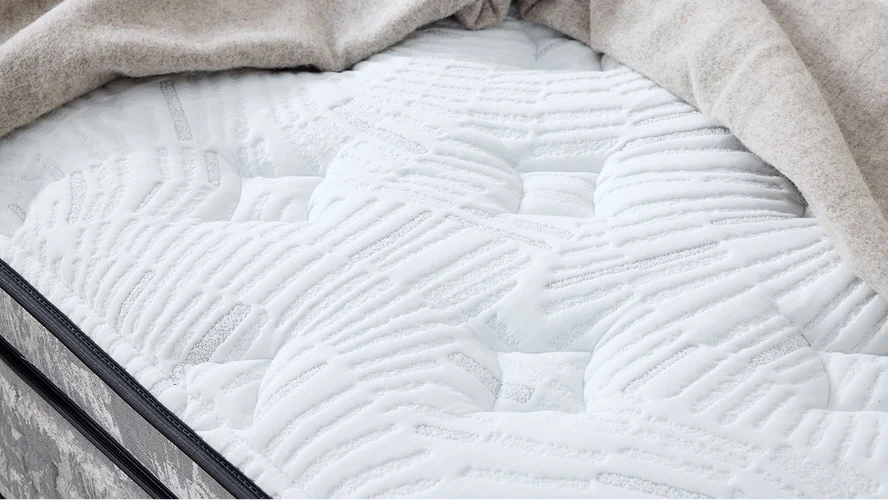
If you share a bed, both people need to feel comfortable and supported.
You may have different body types, sleep positions or comfort preferences. One person may prefer a softer surface, while the other may need a firmer feel. You may also need to consider partner movement, temperature and the amount of space each person has.
When testing mattresses, both people should try the mattress together. This gives you a better sense of how it feels as a shared sleep surface.
Your mattress and base work together. An unsuitable or worn base can affect how a mattress feels and performs.
Before choosing a mattress, check that your base is suitable for the mattress you are buying. A supportive base can help the mattress feel as intended and assist with long-term performance.
If you’re considering replacing your complete sleep setup, explore our bedheads and bases to understand the options available.
A mattress is a long-term purchase, so it is worth slowing down the decision. Compare a few options, ask questions and think about how the mattress feels in your usual sleeping position rather than making the choice based on first impressions alone.
The right mattress should feel comfortable, supportive and suited to the way you sleep.
Trying different mattresses in person can help you understand the difference between firm, medium and plush feels and see which option feels right for you.
Find your nearest Crown Posture Bedding retailer to compare mattress feels and ask questions about comfort, support and base compatibility.