Comfort & Support



A practical guide to the common factors that can affect sleep temperature, from bedding and protectors to room setup and mattress materials.
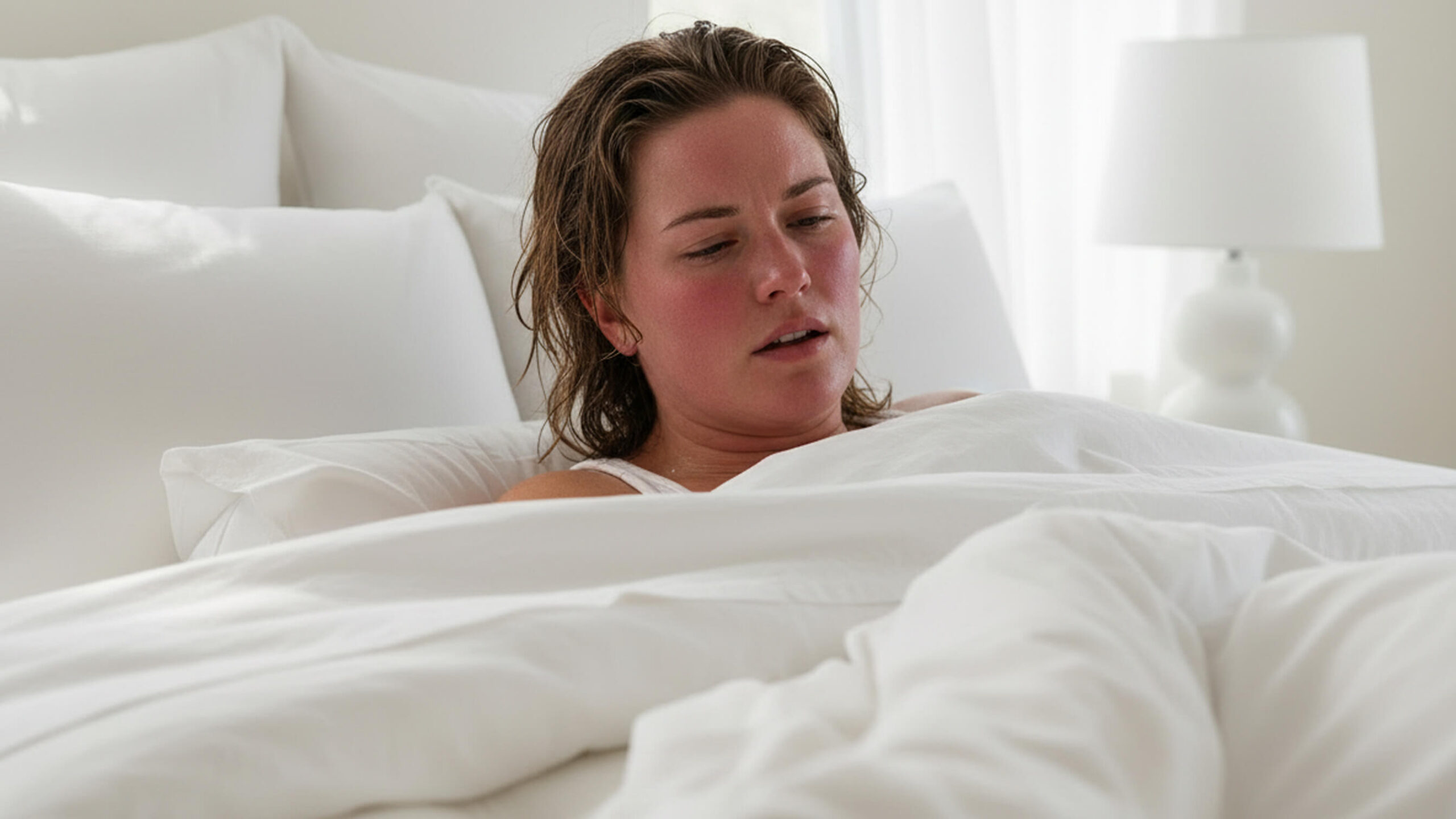
Sleeping hot does not always mean your mattress is the problem. Bedding, protectors, room temperature and the rest of your sleep setup can all influence how warm you feel, so it is worth checking the simple things first.
Sheets, doonas, blankets and pillowcases can all influence warmth. Heavy bedding, dense weaves and less breathable materials may trap more heat than lighter options.
If you sleep hot, consider whether your bedding suits the season. Many people keep using the same doona or blanket weight well into warmer months.
Layering can also help. Lighter layers are easier to add or remove than one heavy covering.
Mattress protectors vary in materials, construction and breathability. If you have noticed a change in how warm the bed feels, consider whether your protector may be contributing.
A thicker or less breathable protector can feel different from a lighter design, so look for an option that balances protection with comfort.
For more guidance, read Do You Need a Mattress Protector?
Warmth can build from more than one source. A heavy doona, warm pillow and thick protector can work together to make the bed feel warmer than expected.
If the mattress feels warm, assess the full combination rather than blaming one item immediately. Adjusting the doona, pillow or another layer may be enough to improve comfort.
Your bedroom environment can have a major influence on how warm you feel overnight. Hot weather, direct afternoon sun, limited airflow and heating can all contribute.
Simple changes such as using a fan or air conditioning, improving ventilation where practical and keeping blinds or curtains closed during the hottest part of the day may help make the room more comfortable.
Mattress materials and construction can influence airflow, cushioning and how warmth feels at the sleep surface. Different mattresses can therefore feel different to different sleepers.
When comparing Crown Posture Bedding mattress ranges [Mattress Ranges], look beyond individual feature names and consider the complete construction, comfort feel and materials used.
If temperature comfort matters to you, ask your retailer how the different options are designed and try them in person.
Sharing a bed can also change how warm the sleep environment feels. Two sleepers may have different body temperatures and bedding preferences, so one setup may not feel equally comfortable for both people.
Separate or layered bedding can make it easier for each person to adjust warmth independently.
If you are choosing a mattress together, read How to Choose a Mattress as a Couple.
“Warmth can come from the whole sleep setup, not just the mattress.”
If you change several things at once, it can be difficult to tell what made the difference. Start with one or two simple adjustments, such as lighter bedding, a different doona weight or improved airflow, then assess how the setup feels.
If you are considering a new mattress, compare materials and comfort options in person rather than relying on a single cooling claim.
Feeling warm on a hot night is different from experiencing persistent or unexplained night sweats.
If you regularly wake with heavy sweating when the room is not hot, notice a sudden change in how much you sweat, or have other symptoms that concern you, speak with a qualified health professional.
If you are considering a new mattress, visit your nearest Crown Posture Bedding retailer to compare mattress materials, construction and comfort in person.
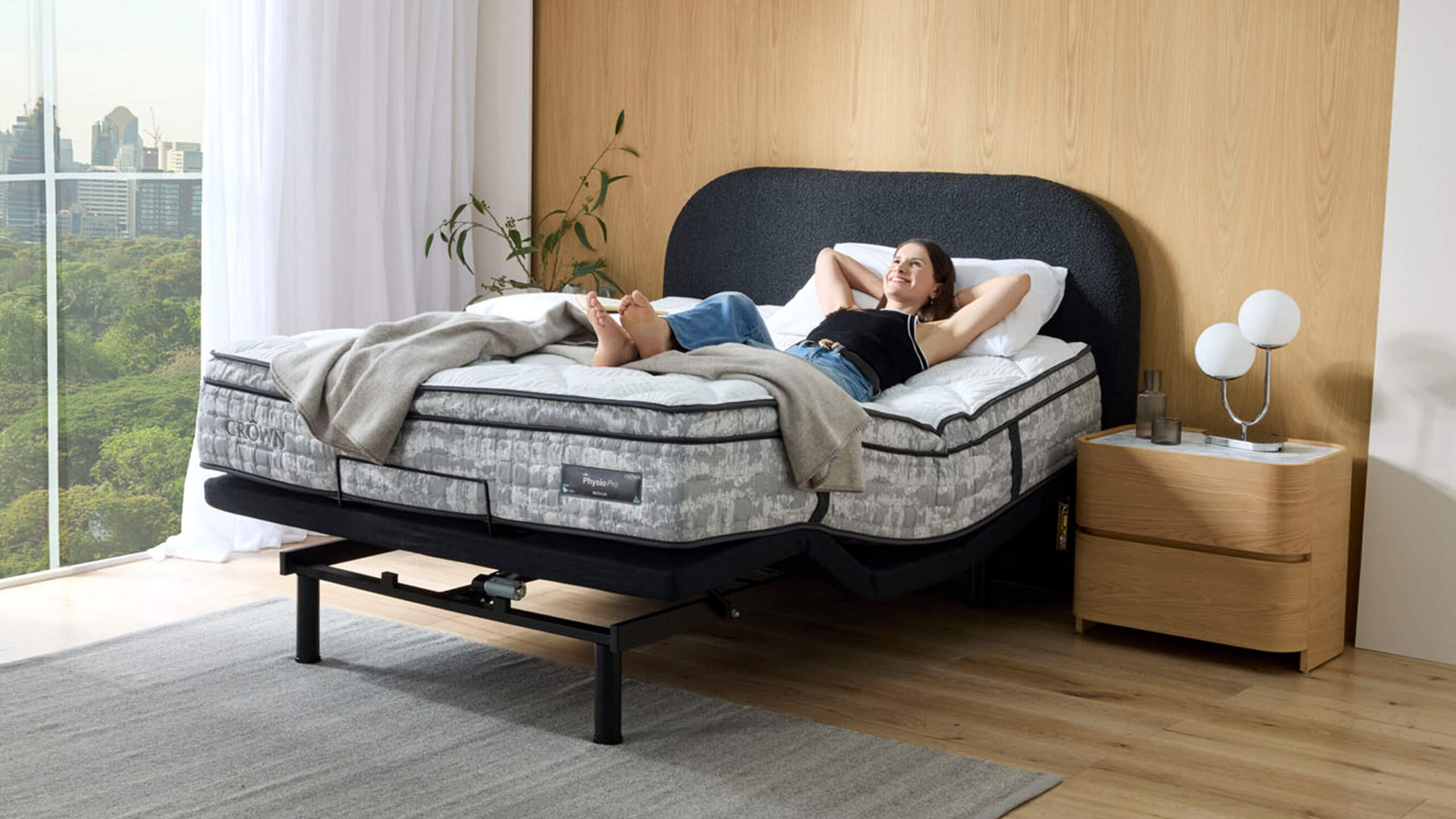
The Physio Pro mattress has a micraCOOL treated cover, designed to draw heat away from the body.